
Galle fort
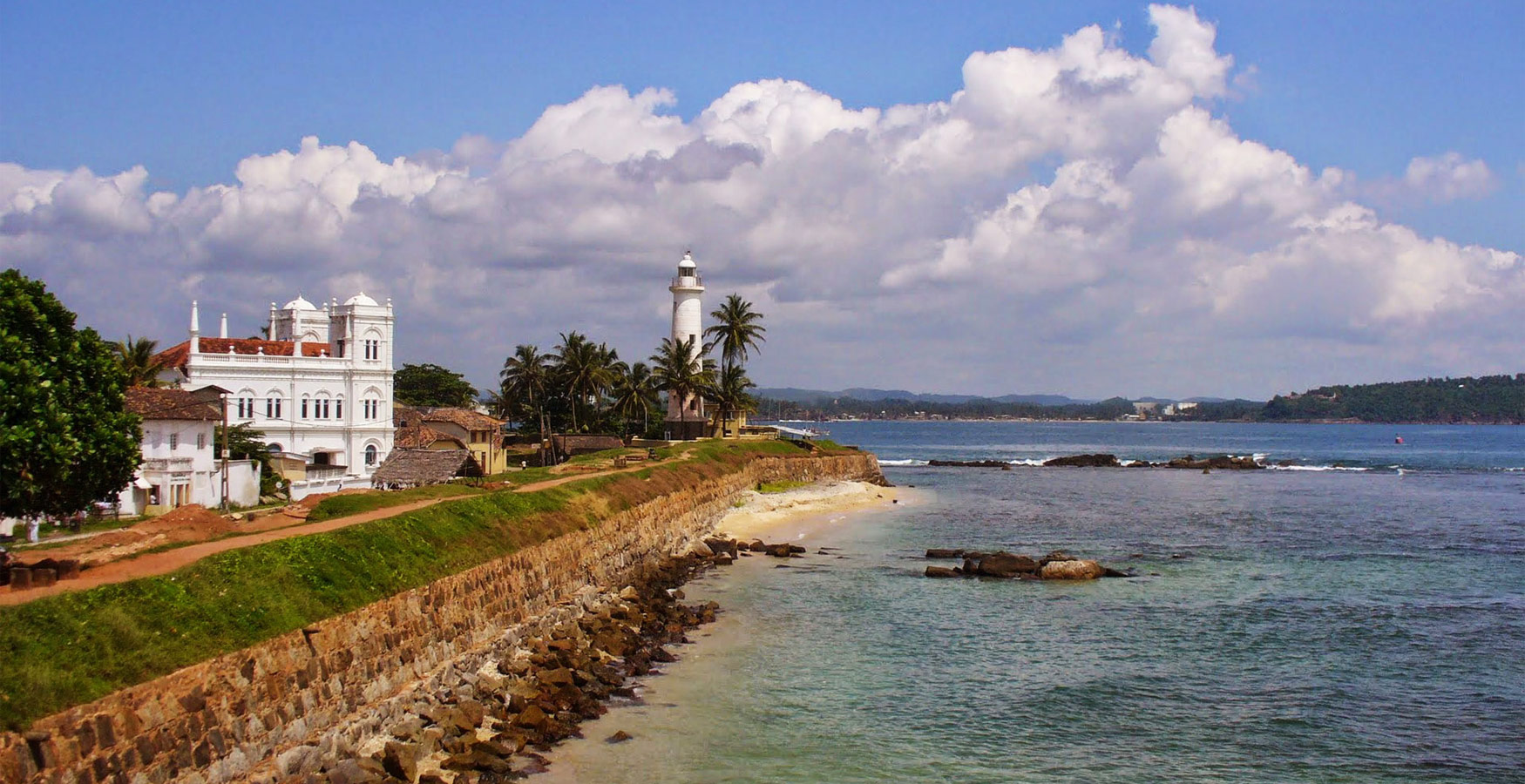
The Dutch and the English colonial styles are evident in the deep verandahs of houses supported by timber or masonry pillars. Originally established by the Portuguese in the 16th Century, it reached its zenith under Dutch rule in the 18th Century, providing spacious housing, wide roads and all necessary facilities within its walls including an intricate sewage system that was ahead of its time.
When it comes to fortified towns, nothing can compete with the Dutch Fort in Galle. This World Heritage Site on the south coast was the main port of call for ships sailing between the East and Europe.
Today, inside the Fort you will find that it exudes old-world charm. Within the ramparts and stonewalls of the old Galle Fort – which spreads over a 36-hectare peninsula — magnificent buildings remain. The narrow streets are dotted with Dutch colonial villas and there’s a welcome absence of vehicular traffic. There are several museums and antique shops that display curiosities from the island’s colonial era. Of the many colonial buildings, perhaps the most absorbing is the Dutch Reformed Church, containing ornately carved memorials to the city’s Dutch settlers. The original entrance gate to the Fort, on the northeast side of the peninsula still bears the carved insignia of the Dutch East Indies Company (or VOC, from “Vereenigde Oost Indische Compagnie”). The Fort also hosts some of the island’s most exclusive boutique-style accommodation in former villas restored to their colonial glory
Galle fort is 40minutes drive away from Villa 386 , Ahungalla ,Balapitiya
Turtle hatchery
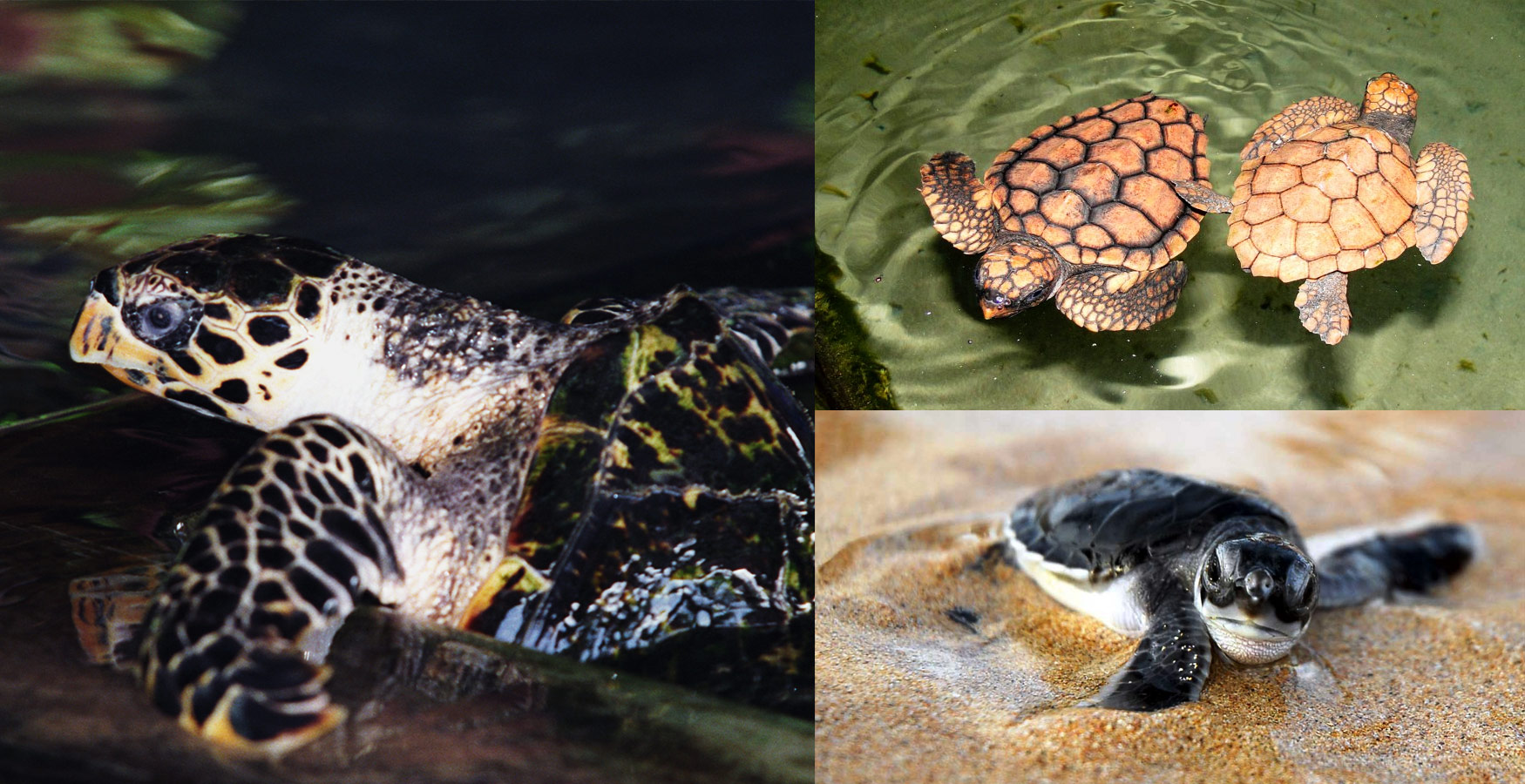
Having an estimated lifespan of about 80 years (approx.), sea turtles are listed as endangered, either critically endangered animal species in the world. Out of the seven varieties of turtles have been recorded so far, five species out of them could be found in the specific coastal areas of Sri Lanka. They are the Green Turtle, the Leatherback, the Hawksbill, the Loggerhead and the Olive Ridley.
Turtles do not have many natural predators once they are grown as adults. But the turtle eggs and baby turtles are extremely vulnerable as they become a good food source for many predators in nature. During the natural process, the eggs would hatch within about 60 days and the tiny baby turtles proceed their way directly to the ocean. While they make their first move in life towards the sea, most of the baby turtles become the victims of predators such as birds, crabs etc. The bitter part of the story is the threat caused to these rare and fascinating creatures by humans. The turtle eggs are often being robbed from the nests by the people living in the coastal areas where they sell the eggs to the black market.
Hence, the main objective of the turtle hatchery in Kosgoda is to protect the turtle eggs while assuring the maximum rates of hatching. Once the eggs are hatched, the baby turtles are safely released to the sea where they could adopt to their natural habitat. It is an interesting task to patrol the beach at night where mother turtles visit and lay eggs. Â The staff at the hatchery patiently waits for the mother turtle to return safely to the see and collect the eggs to relocate in the hatchery. In addition to relocating the eggs like this, the hatchery pay the fishermen in the area and buy the turtle eggs from them in order to avoid the destruction of eggs as human food.
Turtle Hatchery at Kosgoda is 3 km away from Villa 386
Moonstone mine
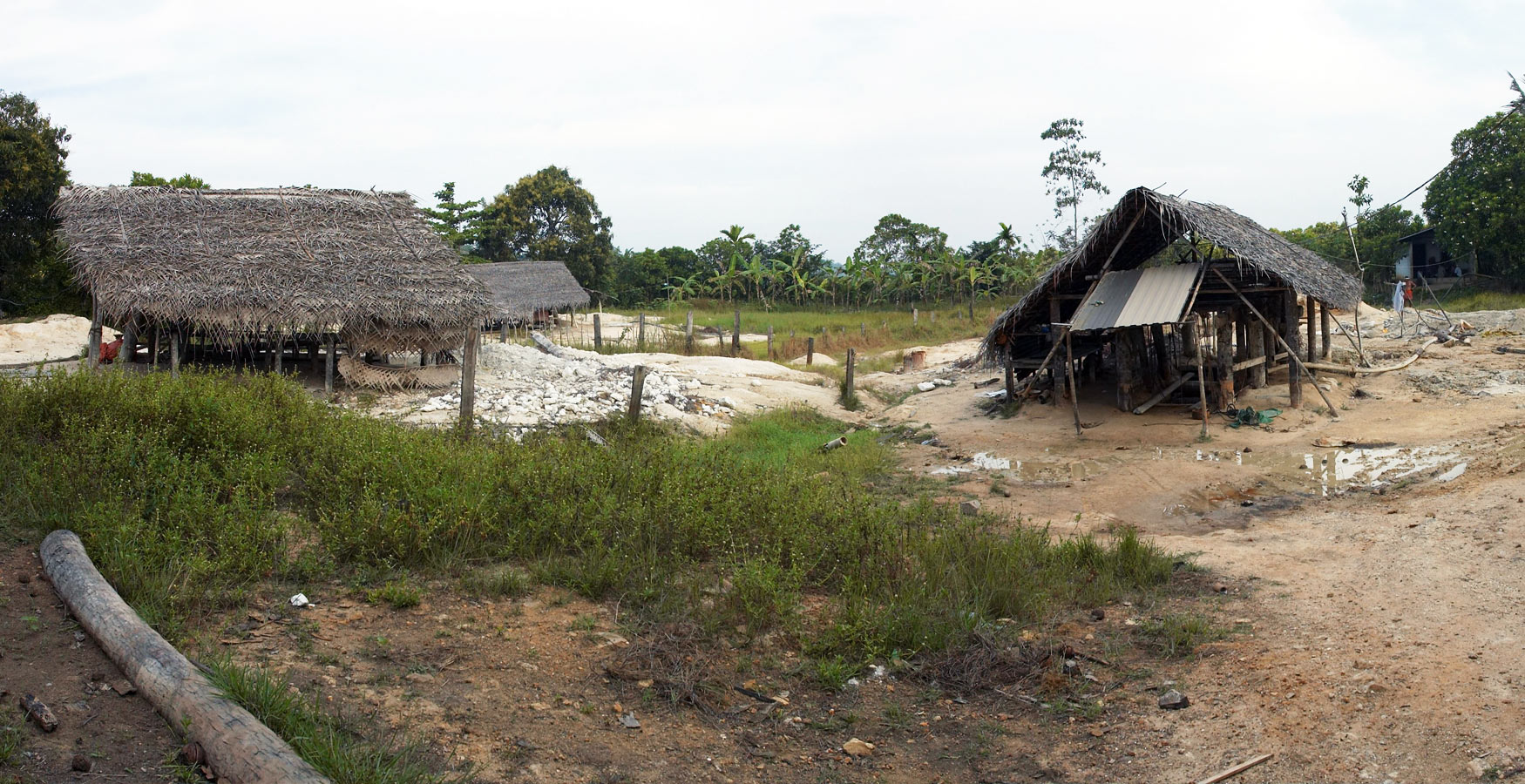
The village of Meetiyagoda near Ambalangoda, is where moonstone is most commonly found, concentrated within an acre of land. believed to have been blessed by the moon.
The mysterious gem, as captivating as the full moon gleaming in the night sky, is considered sacred and has been used in jewellery for centuries. The most sought after moonstones have a haunting blue sheen, an effect produced by the orthoclase feldspar, which is found almost exclusively in the gem mines of Sri Lanka. Here, you can even go down into the deep, narrow shafts from which the stones are mined and witness the process yourself
Moonstone mine is 20minutes drive away from Villa386,Ahungalla,Balapitiya.
Madu river safari
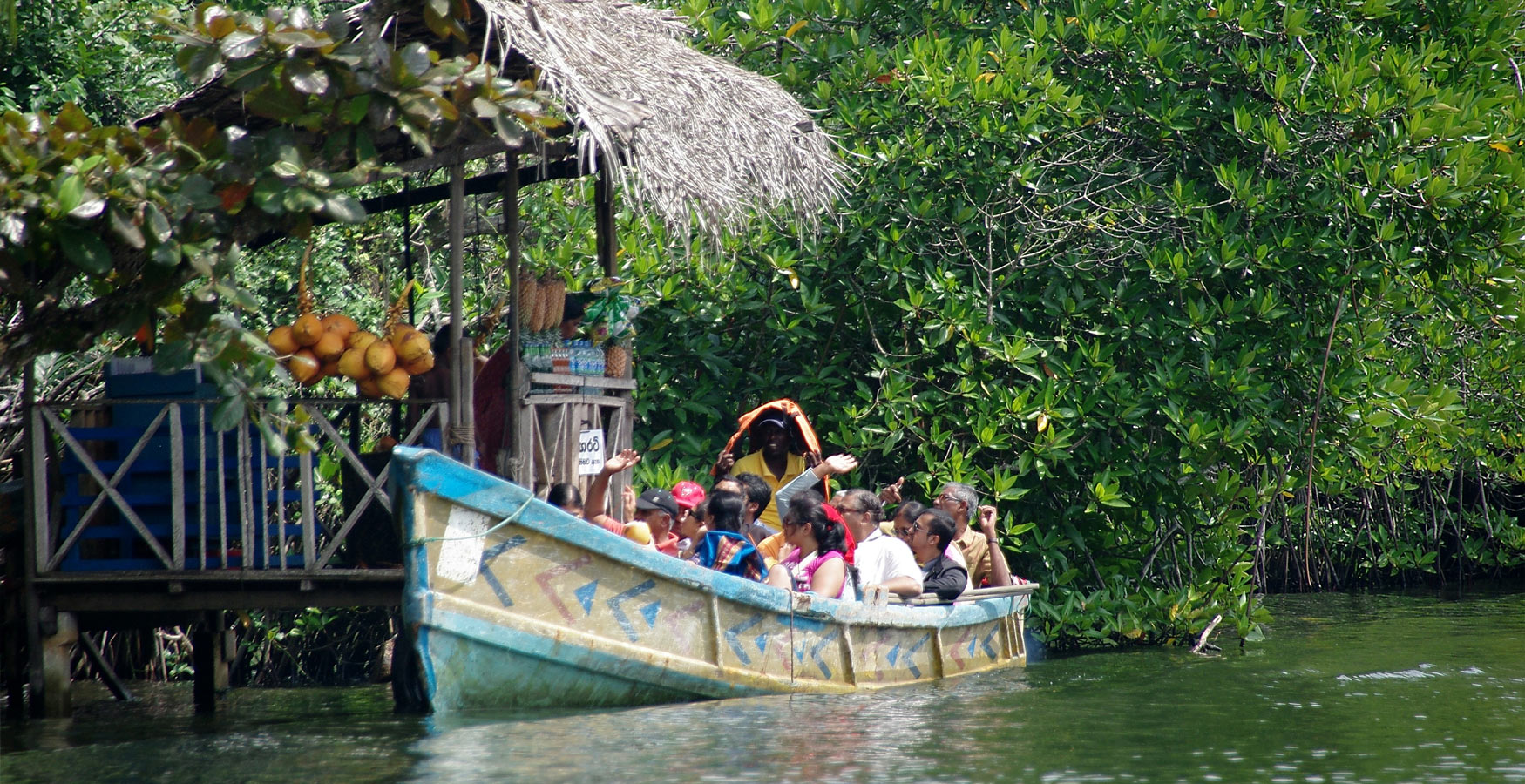
A beautiful river that nestles alongside Whispering Waters. Madu Ganga is considered as Sri Lanka’s second largest wetland consisting of 32 islands including two main islands providing shelter to 215 families.
The Madu Ganga river is a shallow water body in south-west Sri Lanka, which enters the sea at Balapitiya. Together with the smaller Randombe Lake, to which it is connected by two narrow channels, it forms the Madu Ganga wetland. Its estuary and the many mangrove islets on it constitute a complex coastal wetland ecosystem. In has high ecological, biological and aesthetic significance, being home to 303 species of plants belonging to 95 families and to 248 species of vertebrate animals. Madu Ganga is possibly one of the last remaining tracts of pristine mangrove forests in Sri Lanka.
The inhabitants of its islets produce peeled cinnamon and cinnamon oil. The Madu Ganga Wetland was declared in 2003, in terms of the Ramsar Convention.
Over the years, Madu Ganga has played an important role in providing food and shelter and of course providing easy access to the main land via small wooden boats. During the pre colonization period Madu Ganga was used as one of the main water ways connecting cities and ancient Sinhala Kingdoms.
The main treasure of Madu Ganga is its mangroves that act as a bio-lock to the area in giving protection to the variety of aquatic plants and animal life. They provide a home for different kinds of aquatic plants, crabs, shrimps, fish, various invertebrates and other animal life including crocodiles
Madu River Safari is available within 1km from Villa386,Ahungalla,Balapitiya
Hikkaduwa Beach
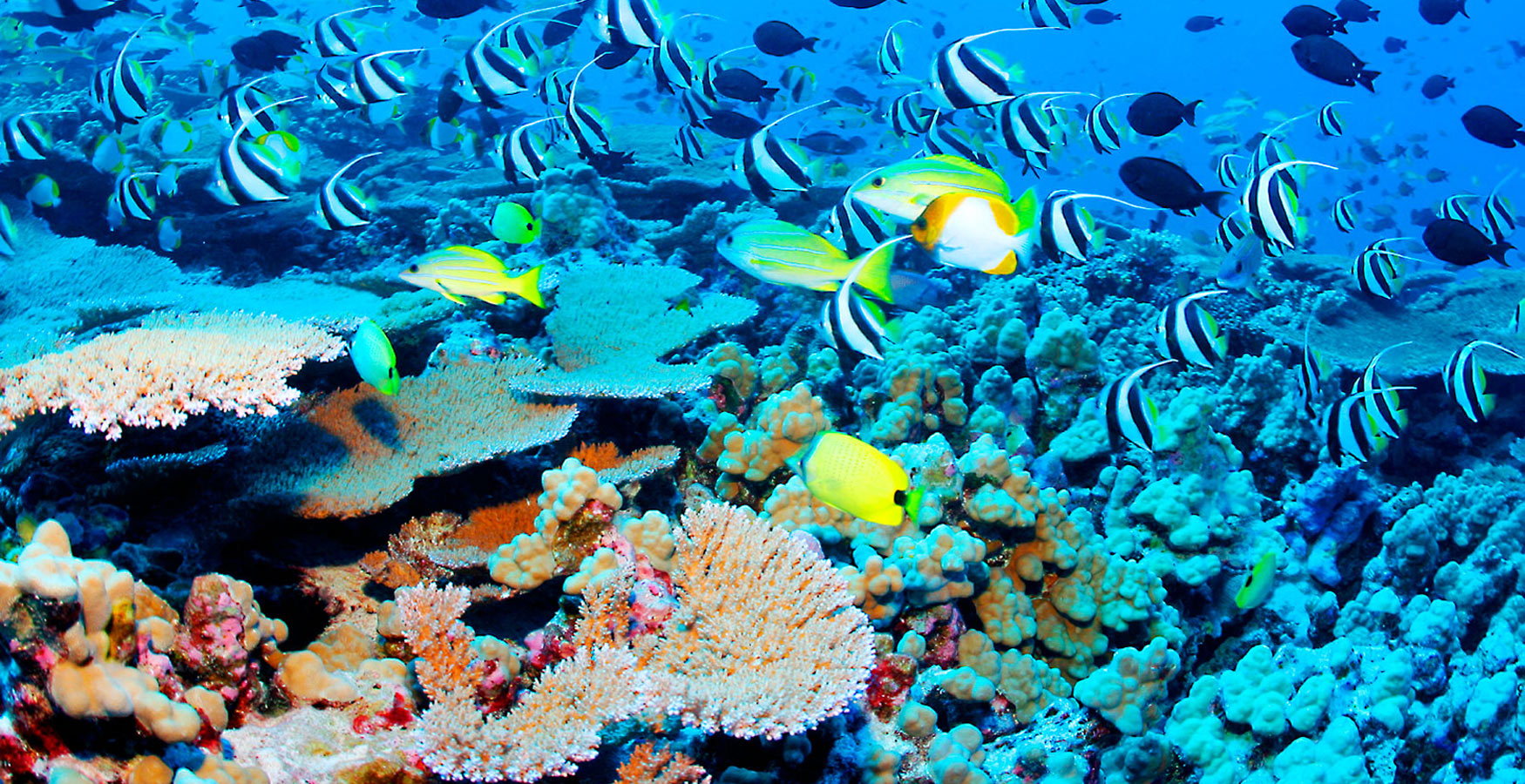
Hikkaduwa beach is known only as a fishing village in the past, Hikkaduwa has now become a major tourist attraction due to its beautiful location and natural resources such as clean beaches, corals, clear waters, and sun that tourist value the most.
Situated in the Southern province of Sri Lanka, Hikkaduwa is located 100Km from the Bandaranayke International Airport which can be reached either by bus, train, or by a private vehicle. The town is located on route from Colombo to Galle and can be reached when travelling down a road named as the Galle Road. The main attractions in Hikkaduwa are the coral gardens and the sandy beaches that travellers regard as ideal for wind surfing and snorkelling. Hikkaduwa’s Coral Sanctuary, guarantees that underwater world can be seen by anybody whether they can dive or not.
The city is also famous for its vibrant nightlife and reaches its peak season in the period from October to April where surfers from Australia, UK, Japan, Italy, Israel, and U.S.A. are high in numbers. Luxury hotels, fine restaurants, cafes, and tour guides are located in numbers in the beach area of Hikkaduwa to cater to the demand from the tourists.
Hikkaduwa invites travellers and water sport lovers to indulge in holidays filled with the sun, sand and sea. If you want to shop in Hikkaduwa, plenty is offered such as clothes, jewellery, souvenirs, batiks and paintings, etc.
Hikkaduwa beach is 20minutes drive away from Villa 386 , Ahungalla ,Balapitiya
Contact
- No. 386, Galle Road,Balapitiya, Sri Lanka.
- +94 (76) 263 0650
- +94 (91) 225 9906
- +94 (76) 263 0650
- reservations@villa386.com
Links


